
Choose your language
Select your preferred language
Select your preferred language
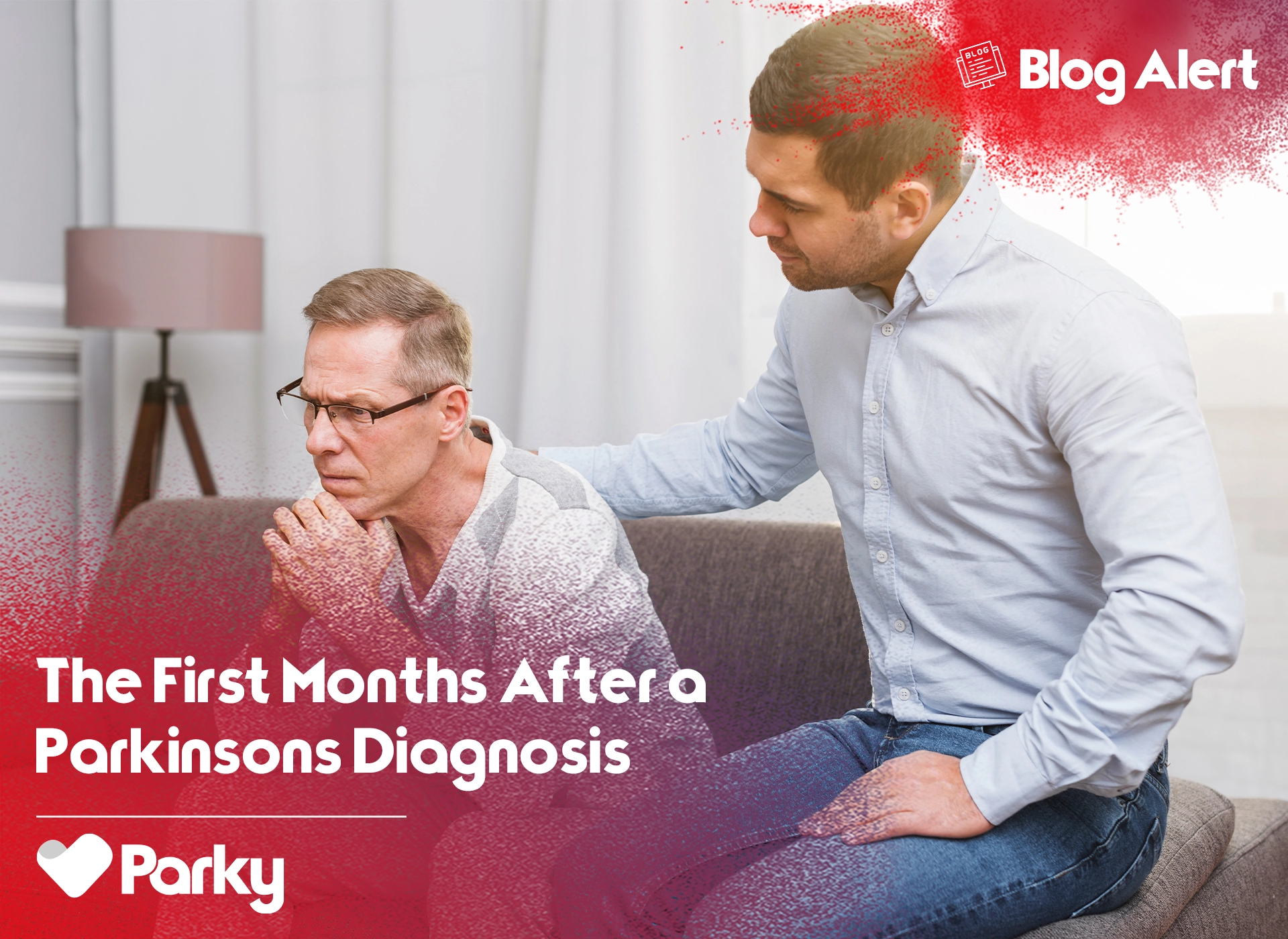
Receiving a Parkinson’s disease diagnosis is a life-altering moment. Even when symptoms have been present for some time, the confirmation of Parkinson’s can bring emotional, psychological, and practical challenges that are rarely discussed openly.
The first months after diagnosis are often marked by uncertainty. Understanding what many Parkinson patients struggle with during this period can help normalize the experience and provide reassurance.
One of the most common reactions to a Parkinson’s diagnosis is emotional overload. Patients may experience shock, fear, sadness, anger, or even relief at finally having an explanation for their symptoms.
These emotions are not signs of weakness. They are a natural response to a chronic neurological condition that affects both present life and future plans.
Many people report feeling overwhelmed by questions such as:
After diagnosis, many Parkinson patients search for information online. While access to knowledge can be empowering, it can also be confusing and frightening.
Parkinson’s disease is complex, and online sources often present worst-case scenarios without context. This can increase anxiety and make it difficult to distinguish reliable medical guidance from speculation.
Patients often struggle to understand which symptoms are likely to affect them personally and which may never occur.
Parkinson’s disease can affect how people see themselves. Some individuals feel labeled by the diagnosis, even when symptoms are mild. Others worry about being perceived differently by family, friends, or coworkers.
This shift in identity can be subtle but emotionally significant. It may lead to withdrawal, reduced confidence, or reluctance to talk openly about the condition.
Even in early stages, Parkinson’s disease can create practical challenges. Fatigue, slowness, stiffness, or concentration difficulties may interfere with daily routines.
Many patients struggle with decisions such as whether to disclose their diagnosis at work or how to adjust responsibilities at home. These decisions are deeply personal and often emotionally charged.
The first months after diagnosis are not a time to navigate Parkinson’s disease alone. Emotional support, education, and professional guidance can make a substantial difference.
Connecting with Parkinson support organizations, healthcare professionals, and peer communities can help patients feel less isolated and more informed.
Life after a Parkinson’s diagnosis does not stop. Many individuals continue to work, travel, build relationships, and pursue meaningful activities for years.
The early phase is about learning, adjusting expectations, and building a support system. Parkinson’s disease introduces challenges, but it does not erase individuality, purpose, or agency.
Join our community in spreading hope and strength. Tell us your unique journey with Parkinson's to uplift and empower others.